Search episodes, people, sponsors, and networks — commercials included. Try “Roma Wine” or “Standard Oil.”
20 results for “Orson Welles”
Person · 74 episodes
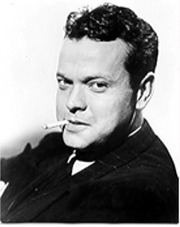
Orson Welles
George Orson Welles was an American actor and filmmaker. Remembered for his innovative work in film, radio, and theatre, he is considered among the greatest and most influential filmmakers of all time.
The Jack Benny Program · Episode 474
Sunday, March 21, 1943
The Jack Benny Program · Episode 475
Sunday, March 28, 1943
The Mercury Theatre on the Air · Episode 5
Monday, August 8, 1938
Orson Welles
Cavalcade of America · Episode 300
Monday, October 12, 1942
Orson Welles narrates the story of Christopher Columbus and his historic voyage in 1492, reflecting on the significance of exploration and discovery. The broadcast celebrates the legacy of Columbus while acknowledging the contributions of other explorers throughout history. Opening credits, Columbus prepares for his journey, Setting sail from Spain, Facing the threat of mutiny, Discovering land at last, Reflecting on Columbus's legacy, America is rediscovered again survival, psychological cozy Starring Orson Welles in Admiral of the Ocean Sea on the Cavalcade of America, sponsored by DuPont, maker of better things for better living through chemistry. Good evening. This is Orson Welles. In an old book in a library in the city of Seville, this is written. An age shall come after many years when the ocean will loose the chain of things and a huge land lie revealed. The quotation is from an ancient Roman play by Seneca. An age shall come after many years when the ocean will loose the chai…
The Mercury Theatre on the Air · Episode 16
Sunday, October 23, 1938
An original adaption by Orson Welles of the story of Phileas Fogg, the eternally punctual Englishman. Al Swenson, Arlene Francis, Dan Seymour, Edgar Barrier, Eustace Wyatt, Frank Readick, Orson Welles Orson Welles CBS net
The Black Museum · Episode 3
Tuesday, January 15, 1952
In The Bath Tub, Orson Welles narrates a chilling tale of murder involving a seemingly innocent bathtub. The story unfolds as a man finds himself entangled in a web of deceit and death, leading to a dramatic courtroom revelation. Opening credits, Explore the Black Museum, Discussing the Wedding Plans, Discovering the Body, Unraveling the Mystery, Establishing Motive for Murder, Piecing Together the Evidence murder, crime, psychological ominous This is Orson Welles speaking from London. The Black Museum, a repository of death. Here in the grimstone structure on the Thames, which houses Scotland Yard, is a warehouse of homicide where everyday objects, a piece of wire, a chemist's flask, a silver shilling, all are touched by murder. Here's a bathtub. It's a familiar object. This is an old-fashioned one, a ball and claw-footed bathtub without plumbing connections. It's kinder, fathers and mothers knew about. Into this they poured the Satu…
The Black Museum · Episode 9
Tuesday, February 26, 1952
In The Car Tire, Orson Welles narrates a chilling tale of a stolen car that leads to the murder of a policeman. The investigation reveals the dark consequences of a seemingly simple crime. Discovering the car tire, Planning the midnight heist, Encountering the police officer, A murder is uncovered, Investigating the crime scene, Tracing the stolen vehicle, Arresting the prime suspect murder, crime, psychological tense This is Orson Welles speaking from London. A repository of death. Here in the grim stone structure on the Thames which houses Scotland Yard is a warehouse of homicide. Where everyday objects, a pin, a garden hose, a handbag, all are touched by murder. Here's a car tire. There were three others all attached to a sedan. They were removed. Great Scotland, Inspector. Those vandals, they've stripped the car of everything. Even the four tires, sir. There's nothing left. Except evidence. Now today, one…
The Black Museum · Episode 10
Tuesday, March 4, 1952
In The Champagne Glass, Orson Welles recounts the tragic story of Colonel Harry Reed, whose seemingly innocent celebration with his wife leads to a dark revelation of murder and betrayal. The stakes rise as the investigation reveals a sinister plot involving arsenic and a champagne glass. Examining the champagne glass, Colonel Reid toasts his wife, Davis discusses the deal, Doctor suspects poisoning, Search reveals arsenic traces, Colonel Reed is arrested, Trial reveals Colonel's character murder, psychological, crime ominous This is Orson Welles, speaking from London. The Black Museum, a repository of death. Yes, here in the grim stone structure on the Thames, which houses Scotland Yard, is a warehouse of homicide, where everyday objects, a man's necktie, a woman's glove, a boy's school cap, all are touched by murder. Now here's a champagne glass. That's a familiar object, long stem, delicate curve, shining crystal. This fragile object belongs to New Year's Eve, to weddings and anniversaries. Funny about things like…
The Black Museum · Episode 18
Tuesday, April 29, 1952
In The Hammerhead, Orson Welles narrates a chilling tale of murder linked to a common tool, a hammer, as Inspector Church investigates a series of disappearances in London. The stakes rise as the investigation uncovers dark secrets and leads to a shocking confrontation. Inspector investigates missing girls, Opening credits, Detectives search for Daisy Baker, Discovery of a trunk raises suspicions, Marsden confesses to the crime, Police question Marsden's denial, New evidence complicates the case murder, crime, psychological ominous This is Orson Welles speaking from London. The Black Museum. Here in the grim stone structure on the Thames, which houses Scotland Yard, is a warehouse of homicide, where everyday objects, a picture frame, a coat hanger, a file folder, a baby buggy, all are touched by murder. Here's a hammerhead, made of cast steel, well shaped, extremely familiar, the front end blunt, solid, designed for driving nails, the clawed prongs at the rear for pulling nails, very practical, very, very, very familiar, a…
The Black Museum · Episode 39
Tuesday, September 23, 1952
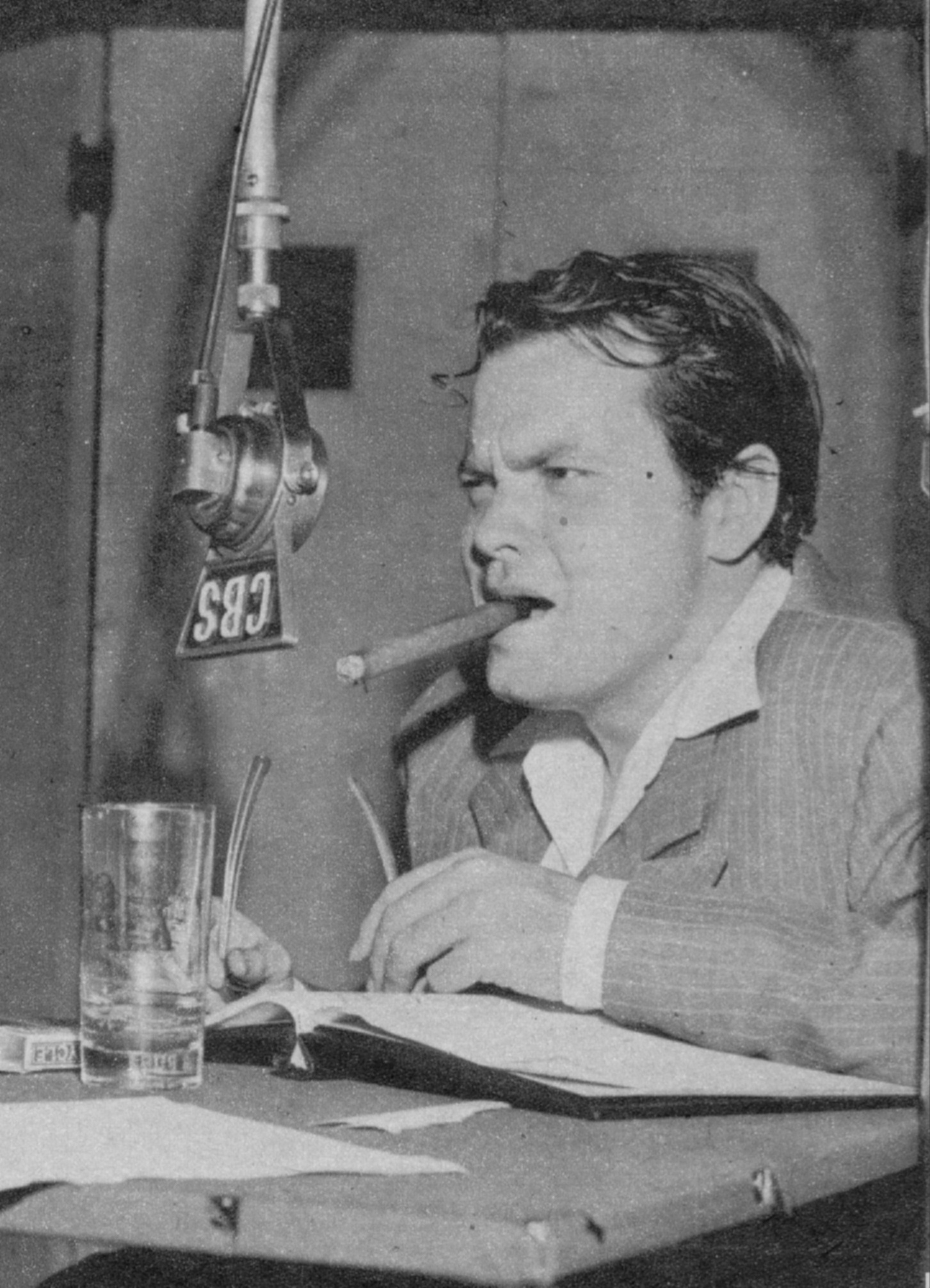
In The Shopping Bag, Orson Welles explores a chilling murder case involving Stanley Haynes, who uses a seemingly innocuous shopping bag to suffocate his victims. The episode delves into the dark history of the bag and the events leading to Haynes's capture. Exploring everyday objects of murder, Discovering the significance of a bag, A frightened girl seeks help, Confrontation reveals hidden truths, Bodies discovered beneath the floor, A shopping bag carries dark secrets murder, psychological, crime ominous This is Orson Welles speaking from London. The Black Museum, a museum of death. Yes, here in the grim stone structure on the Thames which houses Scotland Yard is a warehouse of homicide, where everyday objects, a cotton reel, a tobacco pouch, a boot lace, all are touched by murder. Here's a shopping bag, faded green canvas square in shape large enough to envelop a human head. There you are sir, would madame like to take it? No? Nothing inside now. These wisps of blonde hair were found inside by …
The Black Museum · Episode 42
Tuesday, October 14, 1952
In The White Boxes, Orson Welles explores a murder case involving a seemingly innocent object: small white boxes that contained arsenic. The story unfolds through the trial of Madeline Smith, who is accused of poisoning her lover. Orson Welles Exploring the innocent white boxes, Unraveling a murder mystery, Opening credits, Witnesses recount a summer romance, Letters reveal deep longing, Trial reveals dark secrets, Concluding the case of Madeline Smith murder, courtroom, psychological tense This is Orson Welles speaking from London. The Black Museum. Here in the grim stone structure on the Thames which houses Scotland Yard is a warehouse of homicide. A warehouse where everyday objects, a woman's necklace, her pair of spectacles, an iron ladle, all are touched by murder. These small white boxes are familiar objects. They might have contained sleeping pills or a mild sedative, just aspirin. But no, they contained arsenic. Comparatively tasteless, isn't it, Inspector? Yes, sir. The mu…
The Black Museum · Episode 13
Tuesday, March 25, 1952
In The Faded Tartan Scarf, Orson Welles narrates the story of Walter Hoffman Piewski, a criminal known as the Pike, whose life of crime leads to murder and ultimately his execution. A seemingly innocuous tartan scarf becomes a key piece of evidence in his downfall. Discovering the faded tartan scarf, The Pike pulls the choker, Opening credits, Pike celebrates his car trick, Planning the post office heist, The Pike escapes into shadows, The police capture the Pike, Sponsor message murder, crime, psychological ominous This is Orson Welles speaking from London. The Black Museum. A museum of death. Yes, here in the grim stone structure on the Thames which houses Scotland Yard is a warehouse of homicide where everyday objects, a fountain pen, a cuff link, a high heel shoe, all are touched by murder. Here's a scarf torn and ragged, the faded tartan, a cheap reproduction of the honourable colours of the Stuarts, red with green, blue crossings and a double over check of white and yellow. This scarf belonged to Walt…
The Black Museum · Episode 14
Tuesday, April 1, 1952
In The Black Museum: Four Small Bottles, Orson Welles introduces a tale involving four seemingly innocuous medicine bottles linked to a murder case. The story unfolds in the Edwardian era, exploring themes of love, jealousy, and the quest for freedom. Discovering the four small bottles, Unraveling the mystery of Oscar, Ann seeks a way to help, Chloroform purchases raise suspicion, Oscar's unexpected death occurs, Edgar faces arrest for murder murder, romance, psychological tense This is Orson Welles speaking from London. The Black Museum, the famous repository of death. Here in the grim stone structure on the Thames which houses Scotland Yard is a warehouse of homicide. Where everyday objects and earthenware parts are silver shilling, a typewriter ribbon, and all are touched by murder. Four small bottles. Other familiar objects, medicine bottles, shining glass, cork stopper, the labels in neat clear handwriting, such bottles are in the medicine cabinet of almost every h…
The Black Museum · Episode 15
Tuesday, April 8, 1952
In this episode of The Black Museum, Orson Welles recounts the tragic tale of Jules Gomesch, a French inventor whose romantic entanglement leads to murder. The story unfolds against the backdrop of a dictionary that plays a pivotal role in the events that transpire. Exploring the warehouse of homicides, Jules struggles with English expressions, A bitter taste reveals danger, Police investigate the poisoning, Jules faces arrest for murder, The dictionary's role in the crime This is Orson Welles speaking from London. The Black Museum. Here in the grim stone structure on the Thames which houses Scotland Yard is a warehouse of homicides. A warehouse where a parchment lampshade, an automobile tire, a canvas tarpaulin, an umbrella, or are touched by murder. And here's a dictionary. It's a familiar object. French into English, English into French. Every high school student knows what these books are like. Word here, phrase there, merci, thank you, thank you, merci. And o…
The Black Museum · Episode 20
Tuesday, May 13, 1952
In this episode of The Black Museum, Orson Welles introduces a jar of acid that was used to dispose of a body, leading to a chilling murder investigation involving two widows and a charming man named Mr. Hart. Discovering the acid jar, Meeting in the hotel dining room, Noticing a friend's absence, Police investigate the disappearance, Searching the chemical factory, Finding evidence in the acid murder, crime, psychological ominous This is Orson Welles speaking from London. From the Black Museum, a repository of death. Yes, here in a grim stone structure on the Thames, which houses scuff and yard, is a warehouse of homicide. Here everyday objects, a silk scarf, a length of twine, a child's toy, all are touched by murder. Now this jar, running well in a cheap stained glass container the type you find in a laboratory, what's in it? A colorless fluid. Water perhaps? A cleaning spirit? No. Acid. Was just the thing to decompose…