Loading transcript…
Synopsis
The Orchestra of Today and How It Grew takes listeners on a captivating journey through the development of the modern orchestra, narrated by Don Voorhees and his distinguished ensemble. The episode begins by setting the stage for a musical history lesson, emphasizing how orchestras have evolved over the past few decades. It highlights the significant changes in instrumentation and style, showcasing how the orchestra has grown into a versatile and dynamic entity.
Featured in playlists
Goldie Originals that include this night
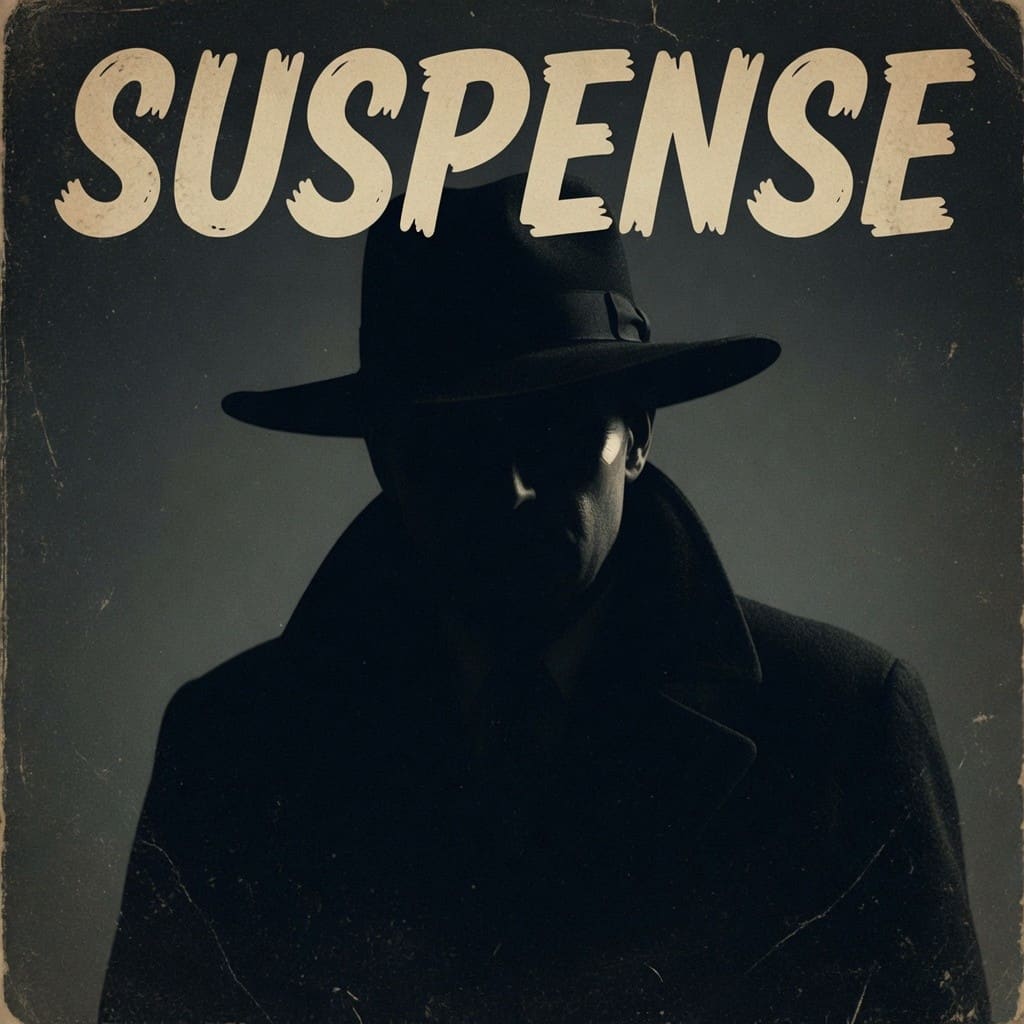
Suspense
Sorry, Wrong Number
An invalid woman overhears a chilling conversation about a planned murder while struggling with a malfunctioning telephone. As she fights to alert the authorities, the stakes rise with each passing moment.
The Big Show
Fred Allen, Robert Cummings
In this episode of The Big Show, host Tallulah Bankhead introduces a star-studded lineup featuring Fred Allen, Robert Cummings, and Judy Holliday among others. The lively banter and comedic skits promise an entertaining hour and a half of classic radio variety.
The Lone Ranger
Return of Cavendish
The Lone Ranger and his nephew, Dan Reed, embark on a journey to Bryant's Gap, where they confront the legacy of the Cavendish gang. As they reflect on the past, they prepare for a confrontation that could change their lives forever.
Bright Star
The Talking Parrot
George bids against Susan for a talking parrot that supposedly knows the location of buried treasure, leading to a comedic adventure filled with misunderstandings and quirky characters.

Claudia
Claudia Decides on a Cow
Claudia and David visit a barn to choose a cow to buy, navigating the dynamics of local farmers and their negotiations. The stakes rise as they seek to avoid conflict between the sellers while finding the perfect cow.
Cozy
Same mood, other nights on the dial
An Evening With Groucho
London Stories - Churchill & 2nd World War
Groucho Marx shares humorous anecdotes about Winston Churchill during World War II, highlighting the lighter side of a serious historical figure.
Little Orphan Annie
Joe And Annie's Plan
Annie and Joe take on a new responsibility by helping out at Jake's Emporium after school. Their commitment to the store comes at a time when Jake is ill and needs assistance.
Ports of Call
Denmark
The episode explores Denmark, highlighting its rich history, culture, and modern charm as a vibrant nation with a strong maritime heritage. It emphasizes the significance of Copenhagen as a bustling port and its contributions to global trade.
Suspense
Yuletide Miracle
A man encounters a mischievous ghost named Sir Benjamin while trying to escape a parole officer during Christmas, facing a dilemma to fulfill a dying boy's wish to deliver Christmas presents to his family.
Ranger Bill
Cotton and Candy
Ranger Bill and his friends visit a sick girl named Candy in the hospital, hoping to lift her spirits. They bring along a wounded rabbit, Cotton, to help show her the importance of caring and healing.
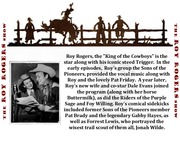
Roy Rogers
Song - Good Day (AFRTS)
Roy Rogers and his friends investigate the mysterious disappearance of a friend's valuable jewels, facing suspicions of theft along the way.
Romance
More stories in this vein

Dangerously Yours
The Highwayman
In The Highwayman, a daring outlaw confronts a wealthy coachman while seeking romance with the landlord's daughter, Bess. The stakes rise as love and danger intertwine under the moonlit sky.
Escape
Sire De Maletroit's Door
In 1429 Paris, a young cavalier finds himself lost and pursued by soldiers, leading him to a mysterious house where he encounters the enigmatic Sire de Maltois and a beautiful woman named Blanche. The stakes rise as he navigates the dangers of love and honor amidst the chaos of war.
Gunsmoke
Chester's Rendezvous
Chester develops a crush on Em Feeney, a newcomer in Dodge City, but complications arise when her brother is a wanted deserter from the army.
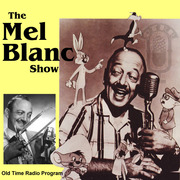
The Mel Blanc Show
The New Radio
Mel tries to win over his girlfriend's father, Mr. Colby, after a mishap with a new radio. The stakes rise as Mel navigates his comedic misadventures to gain acceptance.
Ports of Call
Norway
The episode explores the rich history and culture of Norway, focusing on its legendary figures and stunning landscapes. It highlights the tales of King Harold and the Lady Giver, setting the stage for a journey through Norway's fjords and traditions.
The Devil and Mr O
Where Are You
A young couple on their honeymoon in New York City experiences a day filled with wonder and existential reflection atop the Empire State Building. As they navigate their love amidst the backdrop of a world at war, they ponder the future and the possibility of starting anew.