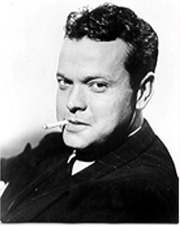
The DuPont Company of Wilmington, Delaware, makers of better things for better living through chemistry, presents the Cavalcade of America. Tonight, Dr. Commando, the true story of a daring Army medical officer in Korea. Tonight's star, Wendell Cory, as Brigadier General Crawford F. Sams. March 1951, General MacArthur's headquarters in Tokyo. One of his staff is outlining plans for military operation. Colonel, you will move with your forces along this line here. How far, General? This point here, from there. Yes, what is it? General, I know you are not to be disturbed, but this dispatch... Let's see it. It concerns the area we are moving into, General. Hmm. Hmm. Concerns. Send General Sams to me at once. Yes, sir, right away. What is it, General? This whole area up here, the area we were going to move into. Yes. Bubonic Plague. That was the beginning of the whole affair. The beginning that brought me Brigadier General Crawford F. Sams into the picture. I was chief of the public health and welfare section of the United Nations Command in the Far East. And anything like plague was my baby. What do you make of it, Sams? Well, General, this dispatch doesn't say that it is the plague. What is this thing they call it? This hook-sup young? Oh, that means black death. It's a vague term. All right, then. What are the symptoms? Swelling? Victims turned black at death? There has been no bubonic plague in Korea since 1911. Well, there's probably one now. There's nothing conclusive in this. Look, Sams, look at this map. United Nations forces are moving up, moving up in two weeks, right through here. Where this so-called plague is thickest. Right. Now, what I want to know is, what are we going to do about it? I took the dispatch back to my office and studied it. Listed the symptoms. Sores, swelling, high fever, high mortality. I wondered how reliable the report was. Was it made by a trained medical man or by a layman? Oh, there was not enough in the dispatch to go on. I had to have more information, more facts. General Sams, you sent for me? Lieutenant Drake? Yes, sir. How are you? Sit down. Thank you, sir. I thought you'd be sending for me. You did? Why? The dispatch and the plague epidemic in North Korea. You Navy intelligence people know everything, don't you? Not quite, sir. All right. Drake, they tell me you have all sorts of fancy ways of slipping people in behind enemy lines and getting them out alive. Well, sir, I don't want to know all your secrets. All I want to know is, could you get a man? Come here. Look at this map. Could you get a man into this area here? See, up here about, oh, 50 miles behind the lines? Well, let me take a look. Mm-hmm, I see. Parachute, maybe. Or isn't that the way it's done? Well, it would depend on the nature of the mission. Well, I've got to send a man in here to find out if this thing is the plague or something else. A doctor? Of course a doctor. What's wrong with a doctor? Well, it's just that it requires a certain technique. Have you been behind the lines? Oh, sure, many times. That's my job. Oh, regular commuter, huh? Not quite. Well, what do you think? Well, the LCI 1091 will come in handy. You mean that landing craft the Navy's got fitted out as a lab? Yes, sir. Okay, we'll use it. But can you get the man in behind the lines? I think we'd be able to work out something with our guerrilla organization. Okay, come on. We're going to see the chief of staff. Time, Sam, time. We've got to keep remembering time. I appreciate that, General. This whole thing is geared to start moving up in two weeks. Yes, General, I know. All right. Now, you want to put a man ashore behind the enemy lines up in this area here. Right. Plague vaccine is not only expensive, but giving it to all our forces would be a tremendous time consuming job. If this is plague, you mean we might not be able to move on schedule. Right, but it may not be plague. Well, but does Drake here think he can take care of your man? We can work it, General, with the usual risks, of course. Usual risks. All right, Sam's, you got a good man to send? Yes, I think he's a pretty good man. Pretty good's not good enough. Well, then I think he's an excellent man. Who is he? Myself. You? Yes. I won't hear of it. I'm the logical one. You're too important here. Look, General, I think I'm more important on this job. There isn't one doctor in thousands who's ever seen the plague. I've had experience with it. But the whole medical program here in Japan depends on you. And the safety of all the United Nations forces depends on the correct diagnosis of this epidemic. Yeah. Well, Drake, do you still think you can get your man behind the lines with the usual risks? I still think we can do it, General. Of course, the risk is increased. You'll make a fine prize, Sam's, if you fall into the hands of the communists. Oh, we'll try to keep anyone from knowing he's a general, sir. We'll call him, uh, we'll call him Mr. Yee. Hmm. Then who'll take him behind the lines? I'll take him, sir. Good. You sure you want to do this, Sam's? I'm sure. All right, then. I deliver you into the hands of the Navy. Thank you, General. And you, Mr. Yee. Lieutenant Drake and I flew to Busan. Then on a raw, cold, late winter's day, we boarded the LCI 1091, a floating laboratory ready to sail up and down the Korean coast to be on hand wherever disease might break out. You and I will share this seat, General. Good. Yeah, looks like we're going to have a rough sea. Oh, that's okay. I'm a pretty good sailor. Good. I'd better be to uphold the honor of the Army. Oh, I think you've taken care of that already, General, by coming on this jaunt. I, uh, I haven't had a chance to thank you yet for deciding to come along with me, give me a personal escort. It's reassuring, Lieutenant. I'm glad of that, sir, but I want to warn you it's, uh, no guarantee. Oh, uh, General. Yes? I was wondering, uh, we may be handling some of these plague victims. That is, if it's necessary to bring any back to the ship and, um... I know what you're thinking. We ought to be inoculated. Yes, sir. Well, the truth is we haven't got time for it. Takes eight days for inoculation against plague to take effect, and we haven't got that kind of time. I see. Maybe I should have told you this before I let you volunteer. It wouldn't have mattered. Don't worry. We'll take all the precautions we can. Now, uh, tell me something about this interpreter we're going to have. He's a Korean by the name of Han. You trust him? Yes, sir. Will I be Mr. Yee to him? No, he knows who you are. Well, you must trust him. I do. He's been awarded two Silver Stars by the United States. Well, that's good enough for me. I'm not going to be a fool to trust him. I'm going to be a fool to trust him. We headed north. Twice, we had to turn back because of rough weather, but finally it quieted down enough so that we could keep on our course. And that night, we arrived at an island off the coast which is held by South Korean guerrillas. Here, we were to make further arrangements for our landing on the mainland, and I became Mr. Yee. Then we went ashore. We were met by a guerrilla captain. No good. No good, Lieutenant Drake. What's the matter, Captain? Landing on coast where you want. It's impossible. Why is that? I received your orders, Lieutenant Drake. Find out what I could about landing Mr. Yee where it would be best. Yes, well, what did you find out? I sent 16 men two days ago. All trained guerrillas, no mainland. They did not come back. Well, the sea's been rough. Maybe they've been... The villagers say somebody talk. They're captured by communists. Well, did they know anything about our plans? They had to know a little of your plans, Lieutenant. What does this add up to, Drake? I'm not sure yet. Lieutenant, I have carry on guerrilla fighting this coast some time now. Other day, Chinese moving fresh troops. What? Oh, that's just fine. Fresh troops and our own men captured by the commies. Drake, just a moment. Should we make a landing someplace else? Well, it's not that simple, sir. Certain preparations had to be made for our arrival. It won't do us any good just to land on a strange coastline and start looking for victims of this epidemic. We have to have information where they are. Lieutenant, Lieutenant. Yes? Still one more chance. Then I send off the first group, Mary Hurfock. You say we can't land without some help from shore? It'd be a pointless risk. We'll just have to wait. But we can't wait. The whole... You know it depends on our finding out this thing. Well, look, if the delay gets too long, I'll take Han. He and I will go to the mainland and make a preliminary reconnaissance. We haven't got time for that. Well, I won't risk your capture on such a mission. It's up to me if I want to risk it. Yes, sir. We'll wait for word from the mainland, but not for long. For two freezing days, we shuttled back and forth from our little ship to the island, waiting for word. Every last minute, precious. Finally, on the third day... Well, they've got word from the mainland. What is it? Somebody tipped the Chinese off there was going to be a landing and they've mined the beach areas and laid a trap. Can't we risk it anyhow? We can't wait any longer. Well, they're making arrangements in another area further south. Good. Let's get going. But the beach is mined down there too. And it's possibly another sellout? Well, that's the chance we take. All right, then. We take it. The time set is March 13th, sometime after 10 at night. 13th. Are you superstitious? Not very. I was married on Friday the 13th. Are you? I was born on April 1st. As the sea continued rough, we transferred to a larger ship and under the cover of night proceeded south to our rendezvous point, 20 miles off the enemy hill coast. Last rundown. All right, General? What's that bombarding we can hear? It's a few miles north of us. It's the United Nations warship, sir, shelling the coast. Oh, that's a nice complication we hadn't thought of. Maybe a ship has been assigned to give our stretch of beach a going over. I don't think so, sir. Now, look, General, when we come to our offshore point, we'll get into a motor sampan and then we'll head toward shore. That's going to be a long, cold trip, about 20 miles. We'll be dragging behind what they call the tope. What? Well, that's a sort of oriental raft. When we get within 200 or 300 yards of shore, we'll transfer that and paddle in. And no chance of the raft breaking up in the surf. Well, they're pretty sturdy. You know how long we'd live if we got tossed in a drink this time of year? Three minutes. That's how cold the water is. Okay, go ahead. Well, right now we should remove all identification. Dog tags, wallets? Your general's star record. Oh, and I think you'd better shave off your mustache. Why? Make you look less occidental. Oh, okay. That's easy. All right, now, if everything goes well... And we haven't been sold out. Yeah, we'll be met on the beach by some gorillas we have there. They'll have rounded out someone who's had close contact with the epidemic. So you can question him. And if this information proves unsatisfactory? While you're questioning him, I'll try to get into the village to spot some victims of the disease so we can bring them out if you need them. And then we come back the same way we went, right? Right. Only it's going to be harder bucking the waves. Okay, is that it? That's it. Fair enough. Do I look less occidental without the mustache? I'd never know you. Now what do we do? Now we just wait. Well, I should be good at that after all my years in the Army. Isn't this the spot in the movies where they synchronize their watches? Oh, we're slowing down. Yes? Lieutenant Drake. Yes, hon? It is time. You are there. All right, hon. Ready, Mr. Heen? Ready. Tonight on Cabalcade of America, Wendell Corey is starring as the heroic Army medical officer, Brigadier General Crawford F. Sams. He now continues the story of his daring attempt to get behind enemy lines in Korea. At exactly 10 p.m. on March 13, Drake, two Korean interpreters, and I went over the side and into the motor sampan riding alongside the ship. Just as we shoved away, Drake called back to the captain. Wait for us until just before dawn. Then leave and don't return. If we're not back by then, we'll try to make it through the lines. For two hours, the motor sampan laved along towards the coast, dragging the raft behind it. The ship quickly blotted out on the horizon, and there was nothing but white caps glimmering under a quarter moon that lighted up the unfriendliest stretch of ocean I'd ever seen. Do you see the shore? Where? There. Just off the starboard bow. Yeah. Can our motor be heard? Now, anyway, we'll transfer to the raft soon. I know it sounds loud right here, but in this weather, and with that sea pounding, they... What's the matter? Take a look. Onshore there. Right. Yeah. Right where we're gonna land, isn't it? Just above. And there's more. Convoy of trucks. Convoy of trucks riding along with their headlights on full blast. Yeah. Think it's a welcoming committee? Well, they seem to disappear down there. Probably on their way up to the front. Do we keep going, or do we wait? We keep going. About 200 yards from shore, we transferred to the raft. As we paddled toward shore, the icy water broke over the sides and froze on our faces. Keep it ahead of the starboard as much as you can. Do you see anything? No, we won't see anything until we beach. The party way to meet will be up in the bushes. Well, what about the mines? We'll beach and hold tight. They'll come down and lead us through the mines. Our planes? There must be. Well, that'll take care of those convoy lights. I hope they've had plenty of target practice. Missing a convoy could be a hit on us. After the planes had gone, the pounding surf threw our raft onto the beach. Get down. Get down! Hi, my friend! I know you're cleaning up the carnival now. So, what shall we do? We'll stick around. Won't I go with you? Get down, John, Han, get down! Stay down till someone makes a move towards us. See anyone? No, we won't let them out of the cover of the brush. You'll see them against the snow. Lieutenant Rick, look, somebody's there. I hear her. How are we going to know they're the right ones until they're on top of us? Wait a minute, listen. John, all right, get with us. Okay. Okay. But wait for them to come down. You don't want to step on any mines. And we better pull the boat up into the brush. No, we leave it here for a getaway. A getaway through that surf? Honey, is this the man? All right, Han, take over. Yes, sir. He says, is this Mr. Lee? Tell him yes, and what do we do now? This is the man. What do we do now? The man is waiting over there. Let's go to the cave quickly. He says they have a stretcher bearer to talk to Mr. Lee. You go up to cave edge of beach. All right, let's go. Well, Mr. Lee, this is where I leave you. I'll take a couple of the men and go into the village. Right. While you're questioning the stretcher bearer, I can line up a couple of commies who are down with the plague. And if we need to bring them out and take them to the ship for examination, I'll have worked out a plan for getting them onto the village. All right, go ahead. Oh, one more thing. If I'm not back in a reasonable time and you found out what you want, and if it begins to look dangerous to hang around here any longer, start out for the boat. It's more important for you to get back. How will you make it back? I'll make out all right. Now, remember, sir, the ship leaves its station just before dawn and you've got a long haul back to it. All right. Good luck, Lieutenant. I hope you find what you want. And remember, if the guards say the commies are coming, light out for the boat and forget about me. We went up the beach about 100 yards, Han and I and some of the gorillas. Then up a ravine until we came to a pile of brush to conceal the cave. I had one last awful twinge of doubt. Then I went in and found myself in a sort of underground cavern about 30 feet deep. One of the Koreans lighted an oil lamp and I set about questioning the stretcher bearer through Han. You said you had something to ask me. Now, Han, ask him how many cases there are in the village. Yes, sir. How many soldiers are there in this village? About 1,500. He says 1,500. 1,500. Of typhoid or of hoksepaiong? Is that a hoksepaiong? Most of them are hoksepaiongs. He says mostly hoksepaiong. Ask him to describe this hoksepaiong in detail. Exactly what it looks like. What do the doctors think it is and so on. Yes, sir. Please tell me more about this hoksepaiong. What does it look like? It looks like a hoksepaiong. While Han and I were questioning the stretcher bearer, Drake and Chung and another South Korean had quietly slipped by the sentries guarding the village and made their way through the narrow alleys between the rickety native huts where the victims of the epidemic were quartered. The village was almost deserted except for the patients whose moaning rose up from the shacks. How much further, Chung? Right here. Here, 20, maybe 36. Turn your flash on them. All right, turn it off. Close it. How near is this hut to the edge of the village? Almost at the edge. And the sentries between here and the beach? Three sentries out there, between here and the beach. So if we had to come back to pick up a few of these fellows, we'd have to go through all those sentries with them, huh? Sentries, sentries. All right, all right. Don't run. Tell them we're doctors looking after the sick. Isayo, the plane is dying. Oh, then again. All right? Yes. Okay, come on now. Let's get out of here and take care of those sentries, but quietly, understand? All right, Han. Let's get back to the symptoms. Yes, Mr. Lee. These sores the stretcher bearer talked about, the sores on the body. Ask him more about that. Where on the body? He says they are all over body and face. Wait a minute. Is he absolutely sure they break out on the face too? He says yes, he's sure. What's that? Wasn't that the guard? Yes, sir. He says yes, he's sure. Who's that? Who's that? What's that? Is that the guard? Yes, Lieutenant Drake returning. Oh, good. Everything's all set to take a couple of commies from the village if you need them, Mr. Lee. We won't need them. How come? This stretcher bearer says that the sores always break out on the face as well as elsewhere. What's that mean? That means it isn't bubonic plague. It isn't? No, because plague may turn the face black, but it never erupts there. It sticks to the lymphatic glands, and there are no lymphatic glands in the face. So we're sure it's not bubonic plague. That's it then, huh? That's it. I can hear the gunfire. What did you say, Han? He said those shots are from the village. They may have come across those sentries. We'd better get started. All right, let's go. Thank them all, Han. Thank them for their cooperation and their courage. And tell them, tell them one of these days, we'll be back. On his return to Tokyo, General Sams was awarded the Distinguished Service Cross with the following citation. By extraordinary heroism in action against an armed enemy, General Sams acquitted himself with rare distinction as head of a special operations group whose hazardous mission of personally determining the possible presence of pestilential disease among personnel of enemy forces dictated deep infiltration into enemy-held territory. General Sams' party returned to the offshore rendezvous with conclusive information of such significance as to affect the immediate conduct of the United Nations armed effort in Korea. Now, thanks to Wendell Corey and the Cavalcade players for tonight's story, Dr. Commando. And now, Bill Hamilton speaking for the DuPont Company. For the third year in a row, the DuPont Cavalcade of America has been honored by Freedom's Foundation for its contributions in bringing about a better understanding of the American way of life. A special Distinguished Service Award for this three-time achievement was given to Cavalcade. The annual award ceremony was held last Friday at Historic Valley Forge. More than 650 awards have been announced. Awards were made to cartoonists, public speakers, students, teachers, business firms, local chambers of commerce, and many others. Freedom's Foundation, which made these awards, is a nonprofit, non-political, non-sectarian organization. Its only purpose is to recognize through awards those who are making outstanding contributions to freedom. In the three years it's been established, it has done much to encourage Americans to speak up for our way of life. The DuPont Cavalcade is immensely proud of achieving this award for three years in a row. The award recognizes one of Cavalcade's guiding principles, to hold up the traditions of America's past as a guide to America's present and future. The story of America is a great and exciting one, an inspiration to all the people of the world. It is a story we can and must tell and retell with pride. For it is a testament of faith of a free people, a faith that is shared by the 85,000 men and women who bring you the DuPont Company's Better Things for Better Living through chemistry. Next week, the DuPont Cavalcade will present the story of a woman who defied one of history's most powerful figures to marry the man she loved. Our play, Romance at Fort Crawford, our star Arlene Dahl. Be sure to listen. Tonight's DuPont Cavalcade was written by Robert Anderson and was based on Peter Kalischer's article, Dr. Commando, the true account of Brigadier General Sam's daring mission behind enemy lines in Korea. Original music was composed by Arden Cornwell, conducted by Donald Vorez. The program was directed by John Zoller, and the music was composed by John Zoller, the program was directed by John Zoller. In tonight's cast, Wendell Corey starred as Brigadier General Sam's. Les Damon was Lieutenant Drake. Howard Smith was Chief of Staff. The Koreans were Chung Soon Yoon, Dan Lee, Jun Gyu Park, and Ki Soon Yoon. Mrs. I. Harris speaking. Don't forget next week, our star, Arlene Dahl. The DuPont Cavalcade of America comes to you from the Velasco Theater in New York and is sponsored by the DuPont Company of Wilmington, Delaware, makers of better things for better living through chemistry. Next, it's adventure on Hollywood Theater on NBC.